
Introduction – Understanding Safety in Costa Rica
Costa Rica is widely considered one of the safest countries in Central America, attracting millions of tourists every year. However, safety perceptions can vary depending on headlines and social media reports. This comprehensive 4,500-word safety guide provides a realistic and practical overview of crime, beach risks, driving conditions, natural disasters, healthcare, solo travel safety, and family travel considerations in Costa Rica for 2026. By understanding the real risks and applying simple precautions, most travelers experience a safe and enjoyable trip.
Is Costa Rica Safe for Tourists in 2026?
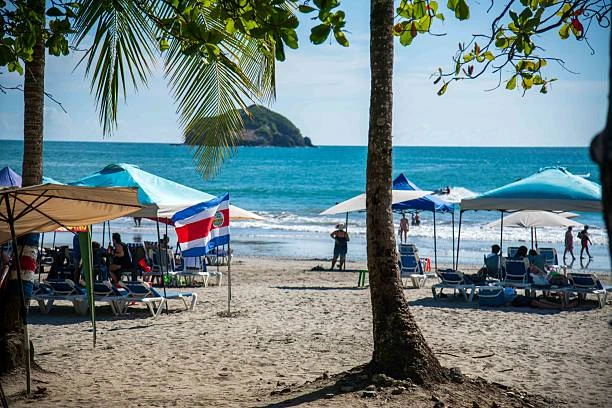
Costa Rica remains politically stable and does not have a standing army, which contributes to its peaceful international reputation. Tourism is a major part of the economy, and authorities prioritize visitor safety. While crime exists, it is typically non-violent and opportunistic in nature. Tourist-focused destinations maintain visible police presence and organized infrastructure.
Crime in Costa Rica: What Travelers Should Know
The most common crimes affecting tourists are petty theft, pickpocketing, and vehicle break-ins. Incidents often occur when valuables are left visible in parked cars or unattended on beaches. Violent crime against tourists is rare and usually not targeted. Travelers who practice situational awareness and avoid displaying expensive belongings significantly reduce risk.
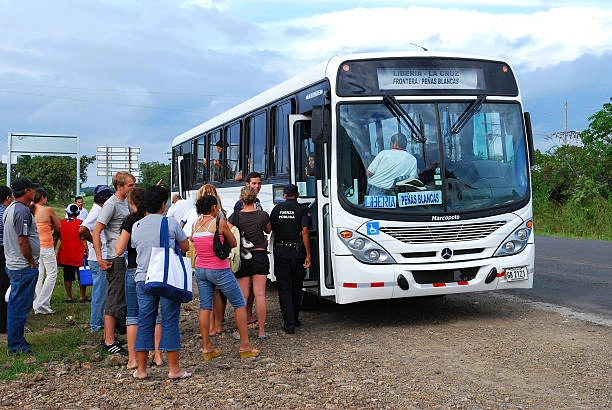

Popular Destinations such as La Fortuna, Monteverde, Manuel Antonio, Tamarindo, and Guanacaste beach towns are considered safe due to strong tourism infrastructure and frequent patrols. These areas are accustomed to international visitors and offer organized tours, reliable transportation, and secure accommodations.
Areas Where Extra Awareness Is Recommended
Downtown San José at night, isolated beaches after dark, and poorly lit urban areas require caution. These are not necessarily dangerous, but travelers should avoid walking alone late at night and use official transportation services.

Beach & Ocean Safety in Costa Rica
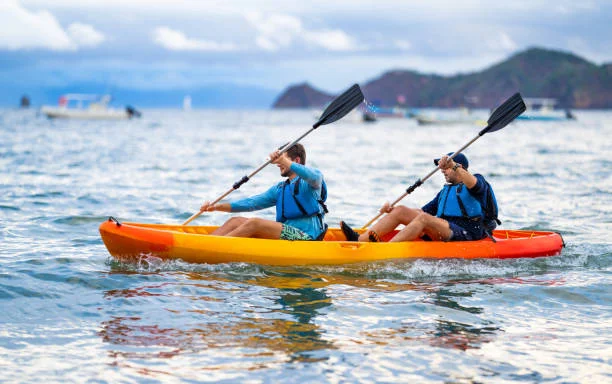
Rip currents are one of the most significant risks to tourists. Many Pacific beaches have strong undertows and no lifeguards. Always ask locals about swimming conditions, respect warning flags, and avoid swimming alone. Drowning incidents occur more frequently than violent crime involving tourists.
Wildlife Safety & Nature Awareness
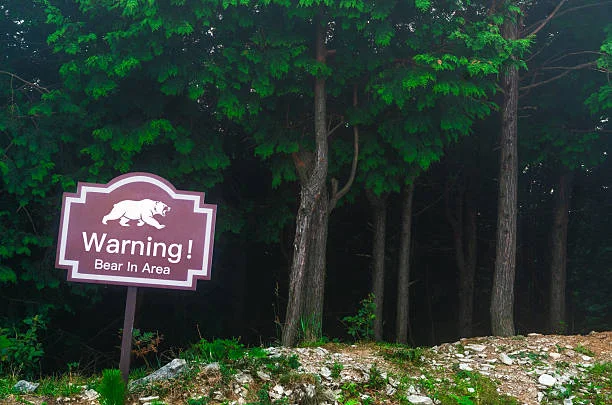
Costa Rica’s biodiversity includes monkeys, sloths, snakes, insects, and marine life. Travelers should avoid feeding wildlife and maintain a safe distance. Guided tours improve safety and enhance wildlife viewing experiences. Never attempt to touch or handle animals, even if they appear calm.
Driving Safety in Costa Rica
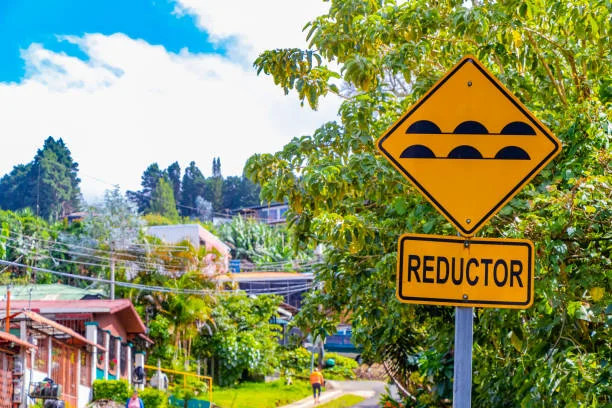
Road conditions vary significantly. Highways are generally paved, but rural roads may be steep or unpaved. Night driving in mountainous or rural regions is discouraged. Using navigation apps such as Waze and avoiding distractions improves safety.
Is Costa Rica Safe for Solo Travelers?
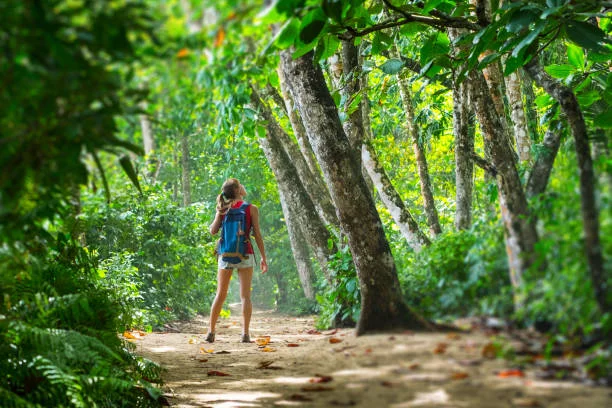
Costa Rica is one of the most solo-friendly countries in Latin America. Tourism services are well established, and English is widely spoken in major Destinations. Solo female travelers report feeling safe in tourist towns, though standard precautions should always be observed.
Family Travel Safety
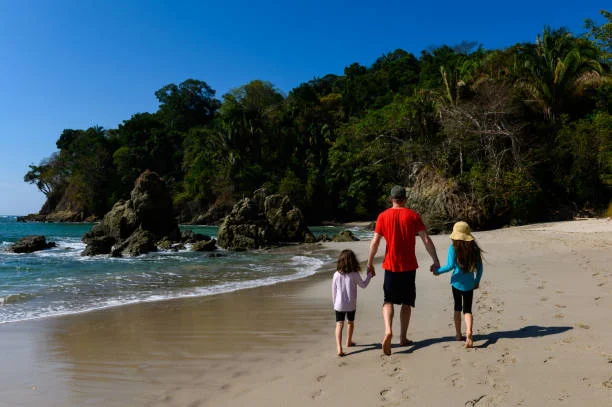
Costa Rica is family-friendly with clean water, good healthcare access, and structured tourism activities. Families benefit from secure hotels, rental cars, and organized tours for wildlife and adventure experiences.
Natural Disaster Risks
Costa Rica experiences occasional earthquakes and heavy rains during green season. Volcanoes are monitored closely, and emergency systems are well developed. Serious incidents affecting tourists are rare.

Healthcare & Medical Safety
Costa Rica offers high-quality private healthcare facilities with English-speaking staff. Pharmacies are widely available, and emergency care is accessible in major cities. Travel insurance is recommended for adventure activities.
Financial & ATM Safety
Credit cards are widely accepted in tourist areas. Use ATMs inside banks or hotels when possible. Avoid carrying large amounts of cash and notify your bank before travel.


Practical Safety Tips for Travelers
Lock rental cars and avoid leaving valuables visible. Use hotel safes for passports and electronics. Avoid isolated beaches at night and use licensed transportation services. Stay informed about local conditions and weather updates.
Final Verdict: Is Costa Rica Safe in 2026?
Yes, Costa Rica remains one of the safest destinations in Central America. Most risks are preventable through basic awareness and preparation. Ocean conditions and driving risks are statistically more significant than crime for tourists. With smart planning, Costa Rica is a safe and rewarding destination for couples, families, and solo travelers.